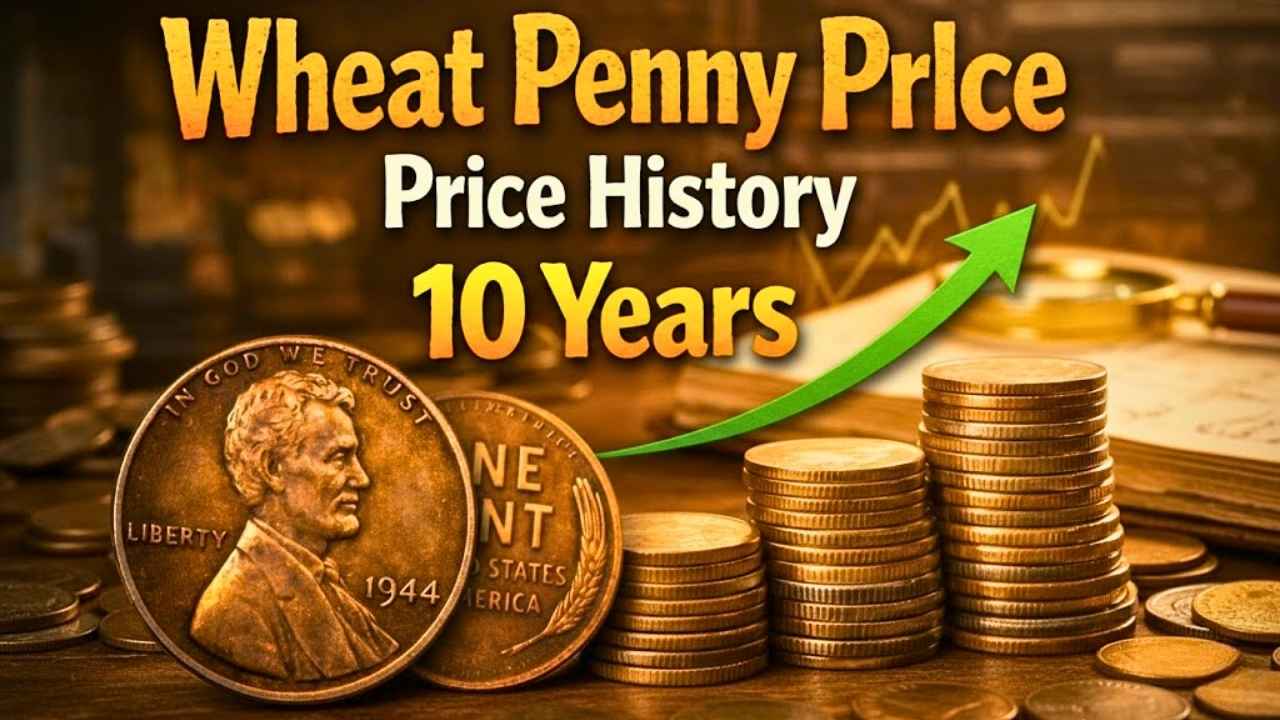
The Lincoln Wheat Penny, minted from 1909 to 1958, remains one of the most iconic coins in American numismatics. Its simple design featuring Abraham Lincoln on the obverse and two wheat stalks on the reverse has made it a favorite among collectors for generations. While most Wheat Pennies are common and worth only a few cents, certain rare dates and mint errors have achieved extraordinary values. Over the last decade, the market for Wheat Pennies has experienced notable shifts, driven by collector demand, auction results, and historical interest. This guide explores how Wheat Penny values have evolved over the past ten years and what collectors can expect in 2026.
Historical Significance of the Wheat Penny
Introduced in 1909 to commemorate the centennial of Abraham Lincoln’s birth, the Wheat Penny was the first U.S. coin to feature a president’s portrait. Designed by Victor David Brenner, it symbolized prosperity and growth through its wheat stalk reverse. The coin remained in circulation until 1958, when it was replaced by the Lincoln Memorial design. Its long history and connection to Lincoln make it a cornerstone of American coin collecting.

Market Trends Over the Last Decade
Between 2016 and 2026, Wheat Penny values have shown steady growth, particularly for rare dates and high‑grade examples. Auction records reveal increasing demand for key coins such as the 1909‑S VDB, 1914‑D, and 1943 copper penny. While common Wheat Pennies remain inexpensive, rare editions have consistently appreciated in value. This trend reflects both the enduring popularity of the series and the broader growth of numismatics as an investment market.
Factors Driving Value Changes
Several factors have influenced Wheat Penny values over the last ten years:
- Collector Demand: Rising interest in historic U.S. coins has boosted prices.
- Auction Results: High‑profile sales have set new benchmarks for rare Wheat Pennies.
- Condition: Coins in mint state or proof condition have seen the greatest appreciation.
- Rarity: Low mintage issues and error coins continue to command premiums.
- Economic Trends: As tangible assets, rare coins have attracted investors seeking stability.
These factors combined have created a dynamic market where certain Wheat Pennies have become collector’s dreams.
Key Wheat Pennies and Their Value Trends
1909‑S VDB
The 1909‑S VDB remains the most famous Wheat Penny. Over the last decade, its value has steadily increased, with high‑grade examples selling for tens of thousands of dollars. Even circulated coins have appreciated, reflecting strong demand.
1914‑D
The 1914‑D is another key rarity. Auction records from the past ten years show consistent growth, with mint state coins reaching impressive prices. Collectors continue to view this coin as essential for a complete Wheat Penny set.
1922 No D
The 1922 No D penny, created by a die issue in Denver, has seen significant appreciation. High‑grade examples are rare and have achieved strong auction results, making this coin a standout in the series.

1931‑S
The 1931‑S, with its low mintage, has maintained steady value growth. While not as famous as the 1909‑S VDB, it remains a key date for collectors and has shown consistent demand over the last decade.
1943 Copper
The legendary 1943 copper penny continues to capture headlines. Auction results over the past ten years have seen these coins sell for hundreds of thousands of dollars, cementing their status as one of the most valuable coins in American history.
Collector Insights
Collectors evaluating Wheat Pennies over the last decade have focused on authenticity, condition, and provenance. Professional grading has become increasingly important, as certified coins command higher prices. Provenance also adds value, with coins tied to notable collections often selling for premiums. Networking with other collectors and staying informed about auction results has proven essential for those seeking rare Wheat Pennies.
Value Guide for 2026
As of 2026, Wheat Penny values remain strong. Common circulation coins are still inexpensive, but rare editions continue to appreciate. The 1909‑S VDB and 1914‑D are essential for serious collections, while the 1943 copper penny represents the pinnacle of value. Auction results suggest that demand for these coins will remain high, reflecting both their rarity and historical significance.

Tips for Collectors
For those interested in building a Wheat Penny collection, here are some practical tips:
- Learn to recognize key dates and mintmarks.
- Store coins in protective holders to prevent damage.
- Consider professional grading for high‑value coins.
- Stay informed by reading numismatic publications and attending auctions.
- Network with other collectors to share knowledge and opportunities.
By following these practices, collectors can build meaningful and potentially valuable collections.

Investment Potential
Rare Wheat Pennies are not only collectibles but also potential investments. Over the last decade, their values have consistently appreciated, making them attractive to investors. While coin collecting should be driven by passion, the financial aspect cannot be ignored. Investors often view rare coins as tangible assets that diversify portfolios. However, it is important to approach coin investing with knowledge and caution, avoiding speculative purchases without proper research.
Key Highlights
- The Wheat Penny was minted from 1909 to 1958 and features Lincoln’s portrait.
- Rare editions like the 1909‑S VDB, 1914‑D, and 1943 copper penny have shown strong value growth.
- Auction results over the last decade have set new benchmarks for rare Wheat Pennies.
- Condition, rarity, and provenance significantly influence value.
- Collectors should focus on key dates, mintmarks, and proper storage.
- Rare Wheat Pennies can be worth thousands or even hundreds of thousands of dollars.
- The series remains popular among collectors and investors in 2026.
Final Words
The Wheat Penny is more than just a coin; it is a symbol of American history and resilience. Over the last ten years, its values have reflected both collector passion and investment potential. From the iconic 1909‑S VDB to the legendary 1943 copper penny, these coins continue to inspire excitement and admiration. Whether you are a seasoned numismatist or a beginner, Wheat Pennies offer a rewarding journey into America’s past and a chance to hold history in your hands. In 2026, the message is clear: check your pennies carefully, because some may be worth far more than you imagine.