Lincoln pennies have been a cornerstone of American coinage since 1909, when they were first minted to honor President Abraham Lincoln’s 100th birthday. Over the decades, countless variations have been produced, some of which are now considered rare treasures. While many collectors assume that valuable coins are locked away in collections or museums, the truth is that certain rare Lincoln pennies still circulate today. Spotting one in your pocket change can be both thrilling and rewarding, especially if you know what to look for.
The History of Lincoln Pennies
The Lincoln cent was the first U.S. coin to feature a real person rather than a symbolic figure. Designed by Victor David Brenner, the coin initially carried his initials “VDB” on the reverse. Over time, the penny has undergone several design changes, including shifts in composition from pure copper to copper‑plated zinc. These changes, along with minting errors and limited production runs, have created opportunities for rare varieties to exist.
Why Some Pennies Become Rare
A penny becomes rare for several reasons. Sometimes it is due to a minting error, such as doubled dies or off‑center strikes. Other times, rarity comes from limited production numbers, like coins minted in specific years at certain facilities. Historical events, such as wartime metal shortages, also contributed to unique variations. Collectors value these coins not only for their scarcity but also for the stories they carry.
12 Rare Lincoln Pennies Worth Collecting
Below are twelve examples of Lincoln pennies that collectors still hope to find in circulation. Each has its own unique appeal and potential value.
1. 1909‑S VDB Penny
This coin was part of the very first Lincoln cent series. The “S” indicates it was minted in San Francisco, and the “VDB” initials belong to the designer. Only a small number were produced, making it one of the most sought‑after pennies.
2. 1914‑D Penny
Minted in Denver, this coin is rare because of its low production numbers. Collectors prize it for its scarcity and historical significance.
3. 1922 No D Penny
In 1922, pennies were only minted in Denver. Some coins, however, were struck without the “D” mint mark, creating a rare variety that collectors eagerly seek.
4. 1931‑S Penny
The Great Depression led to reduced coin production, and the San Francisco mint produced fewer pennies in 1931. As a result, this coin is relatively rare compared to others from the era.

5. 1943 Steel Penny
During World War II, copper was needed for ammunition, so pennies were made from steel coated with zinc. These coins stand out for their silver‑like appearance and historical context.
6. 1943 Copper Penny
A few pennies from 1943 were mistakenly struck in copper instead of steel. These are among the rarest Lincoln cents and can be worth thousands of dollars.
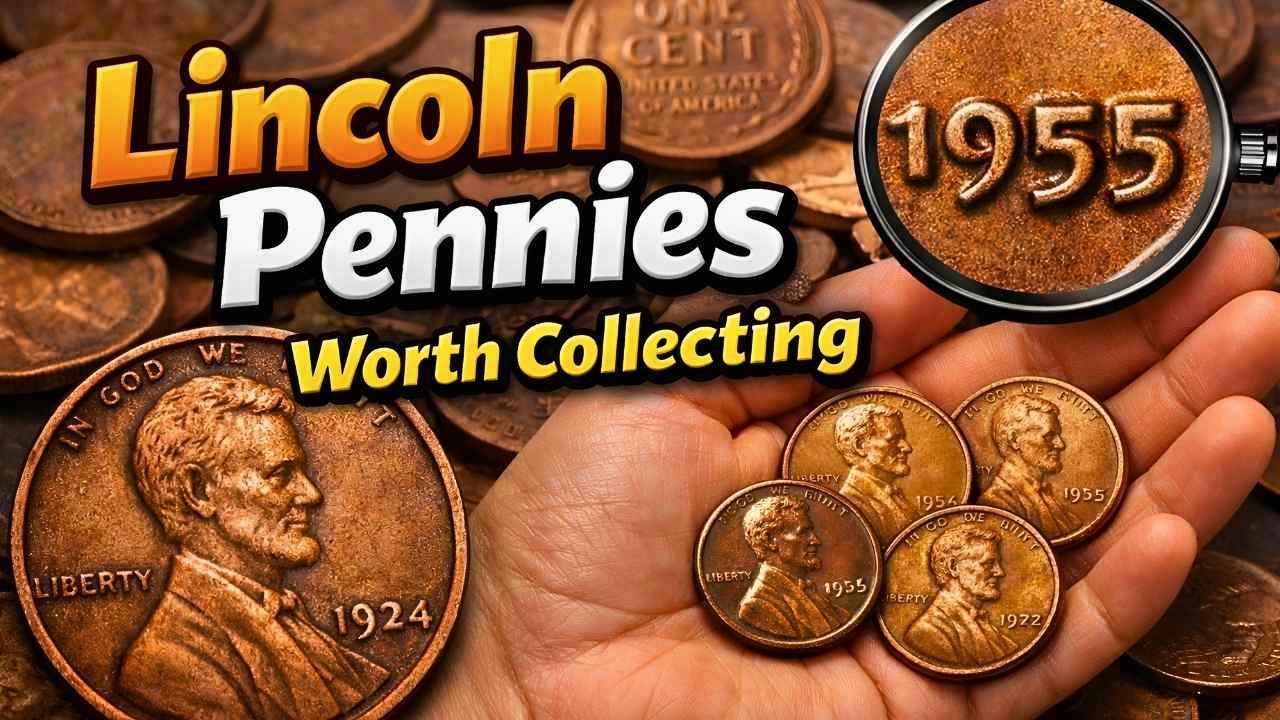
7. 1955 Doubled Die Penny
This coin is famous for its dramatic doubling of the date and lettering. It remains one of the most popular error coins among collectors.
8. 1969‑S Doubled Die Penny
Another doubled die variety, this coin shows clear doubling on the date and inscriptions. Its rarity makes it highly valuable.
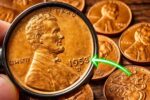
9. 1972 Doubled Die Penny
Though less dramatic than the 1955 version, the 1972 doubled die penny is still a prized find for collectors.
10. 1982 Small Date Copper Penny
In 1982, the U.S. Mint transitioned from copper to zinc pennies. Some small‑date versions were struck in copper, creating a rare hybrid that collectors cherish.
11. 1992 Close AM Penny
Most pennies from 1992 have a wide spacing between the “A” and “M” in “AMERICA.” A few, however, were struck with the letters closer together, making them rare.
12. 2000 Wide AM Penny
The opposite of the 1992 variety, this penny has a wider spacing between the “A” and “M.” It is another modern rarity that can still be found in circulation.

How to Spot Rare Pennies
Identifying rare pennies requires careful observation. Look closely at the date, mint mark, and lettering. A magnifying glass can help detect doubled dies or unusual spacing. Pay attention to the coin’s color and composition, as steel pennies look distinctly different from copper ones. Keeping a reference guide handy can make the process easier.
Tips for Collectors
- Always check your pocket change before spending it.
- Consider investing in coin rolls from banks, as they may contain hidden treasures.
- Store rare coins properly to prevent damage.
- Join coin clubs or online forums to learn from experienced collectors.
- Get professional grading for coins you suspect are valuable.
Key Highlights
- Lincoln pennies have been minted since 1909 and remain popular among collectors.
- Rare varieties often result from minting errors, limited production, or historical events.
- Examples include the 1909‑S VDB, 1943 steel penny, 1955 doubled die, and 1992 close AM.
- Careful observation and knowledge are essential for spotting rare coins in circulation.
- Collecting pennies can be both a rewarding hobby and a potential investment.
Final Words
Lincoln pennies are more than just small pieces of currency; they are miniature time capsules that reflect America’s history. From wartime shortages to minting mistakes, each rare penny tells a story worth preserving. While the chances of finding one in everyday change may be slim, the possibility keeps collectors searching. Whether you are a seasoned numismatist or a curious beginner, knowing which pennies to look for can transform an ordinary coin hunt into an extraordinary discovery.