Most people overlook the coins jingling in their pockets or resting at the bottom of a drawer. Yet, hidden among ordinary pennies, dimes, and quarters are rare treasures worth hundreds of dollars. Coin collecting, or numismatics, has revealed that certain dates, minting errors, and special issues can transform everyday change into valuable collectibles. In 2026, the hunt for rare coins continues to excite collectors and casual enthusiasts alike, proving that fortune may be closer than you think.
The Fascination with Rare Coins
Coins are more than currency; they are miniature pieces of history. Each design reflects a moment in time, from presidential portraits to commemorative events. Rare coins become valuable when they combine scarcity, condition, and historical significance. For collectors, the thrill lies in discovering these hidden gems in circulation or tucked away in old jars.

Why Some Coins Are Worth Hundreds
Several factors contribute to the extraordinary value of coins:
- Low Mintage: Coins produced in small numbers are naturally scarce.
- Errors and Varieties: Minting mistakes create unique collectibles.
- Condition: Coins in mint state or proof condition command higher prices.
- Historical Appeal: Special issues tied to significant events add to their desirability.
When these factors align, coins can achieve values far beyond their face value.
Rare Pennies to Look For
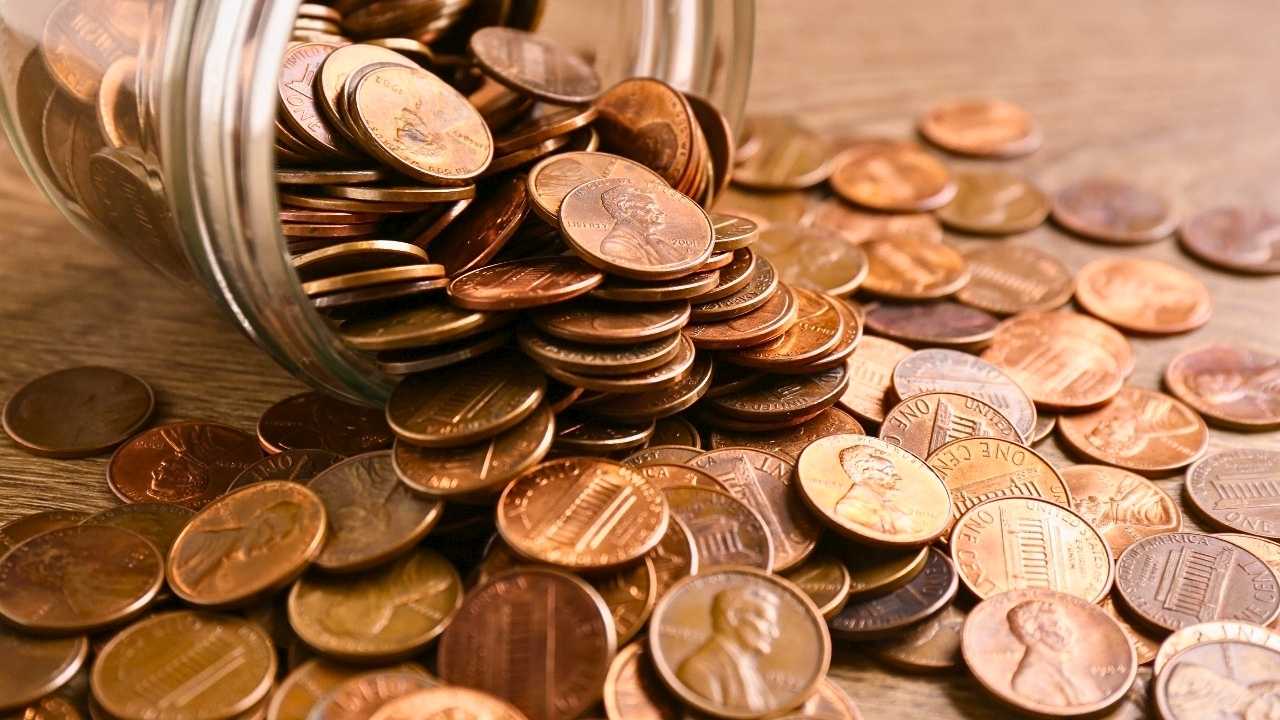
Pennies are often overlooked, yet some of the most valuable coins in circulation are small copper cents.
- 1909‑S VDB Lincoln Penny: The first year of issue with designer initials, highly prized.
- 1914‑D Lincoln Penny: Scarce Denver issue worth hundreds in good condition.
- 1922 No D Lincoln Penny: Famous variety missing its mintmark.
- 1955 Doubled Die Penny: Dramatic doubling makes this coin a collector favorite.
- 1943 Copper Penny: Mistakenly struck in bronze, worth thousands or more.
Rare Dimes Worth Collecting
Dimes are another denomination where hidden treasures can be found.

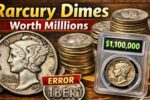
- 1916‑D Mercury Dime: Extremely rare, often worth thousands.
- 1942/41 Mercury Dime: Famous overdate error variety.
- 1968 No S Proof Dime: Rare proof coin missing its mintmark.
- 1970 No S Proof Dime: Scarce and valuable, selling for hundreds.
- 1982 No P Roosevelt Dime: Modern rarity created by a missing mintmark.
Valuable Quarters in Circulation
Quarters are larger and more noticeable, but rare varieties can still slip through unnoticed.
- 1932‑D Washington Quarter: Low mintage makes it highly collectible.
- 1932‑S Washington Quarter: Another scarce issue worth hundreds.
- 1976 Bicentennial Quarter in Silver Proof: Valuable in pristine condition.
- 1976 Bicentennial Quarter with Doubled Die: Rare error variety.
- State Quarters with Minting Errors: Off‑center strikes or missing details add value.
Collector Insights
Collectors evaluating coins often focus on:

- Mintmarks: Coins from Denver and San Francisco are often rarer than those from Philadelphia.
- Condition: Coins with sharp details and minimal wear are highly prized.
- Authentication: Professional grading is essential for rare varieties.
- Market Trends: Auction records and collector demand influence values.
By paying attention to these details, collectors can identify valuable coins and avoid common pitfalls.
Value Guide for 2026
As of 2026, rare coins continue to achieve strong auction results. The 1909‑S VDB penny and 1914‑D penny remain highly prized, while the 1943 copper penny has sold for hundreds of thousands. The 1916‑D Mercury Dime is one of the most valuable dimes, often selling for tens of thousands. The 1968 No S and 1970 No S proof dimes are rare and worth hundreds. Bicentennial Quarters in silver proof or with rare errors are also highly collectible. Auction records show that demand for these coins remains vibrant, reflecting both their rarity and historical significance.
Tips for Collectors
For those interested in building a coin collection, here are some practical tips:
- Learn to recognize key dates and varieties.
- Store coins in protective holders to prevent damage.
- Consider professional grading for high‑value coins.
- Stay informed by reading numismatic publications and attending auctions.
- Network with other collectors to share knowledge and opportunities.
By following these practices, collectors can build meaningful and potentially valuable collections.

Investment Potential
Rare coins are not only collectibles but also potential investments. Over time, coins with historical significance and rarity tend to appreciate in value. While coin collecting should be driven by passion, the financial aspect cannot be ignored. Investors often view rare coins as tangible assets that diversify portfolios. However, it is important to approach coin investing with knowledge and caution, avoiding speculative purchases without proper research.
Key Highlights
- Rare coins can be found in everyday pocket change.
- Pennies like the 1909‑S VDB and 1943 copper are highly valuable.
- Dimes such as the 1916‑D Mercury and 1982 No P Roosevelt are rare treasures.
- Quarters including the 1932‑D Washington and Bicentennial errors are worth hundreds.
- Condition, rarity, and demand strongly influence coin values.
- Rare coins can be worth hundreds, thousands, or even millions.
- The market for these coins remains strong in 2026.
Final Words
Coins are more than currency; they are pieces of history waiting to be discovered. From rare pennies to valuable dimes and quarters, hidden treasures may be sitting unnoticed in your pocket or change jar. Rare dates and minting errors add excitement to collecting, offering the possibility of turning ordinary coins into valuable fortunes. Whether you are a seasoned numismatist or a beginner, coin collecting provides a rewarding journey into America’s past and a chance to hold history in your hands. In 2026, the message is clear: check your change carefully, because some coins may be worth far more than you imagine.