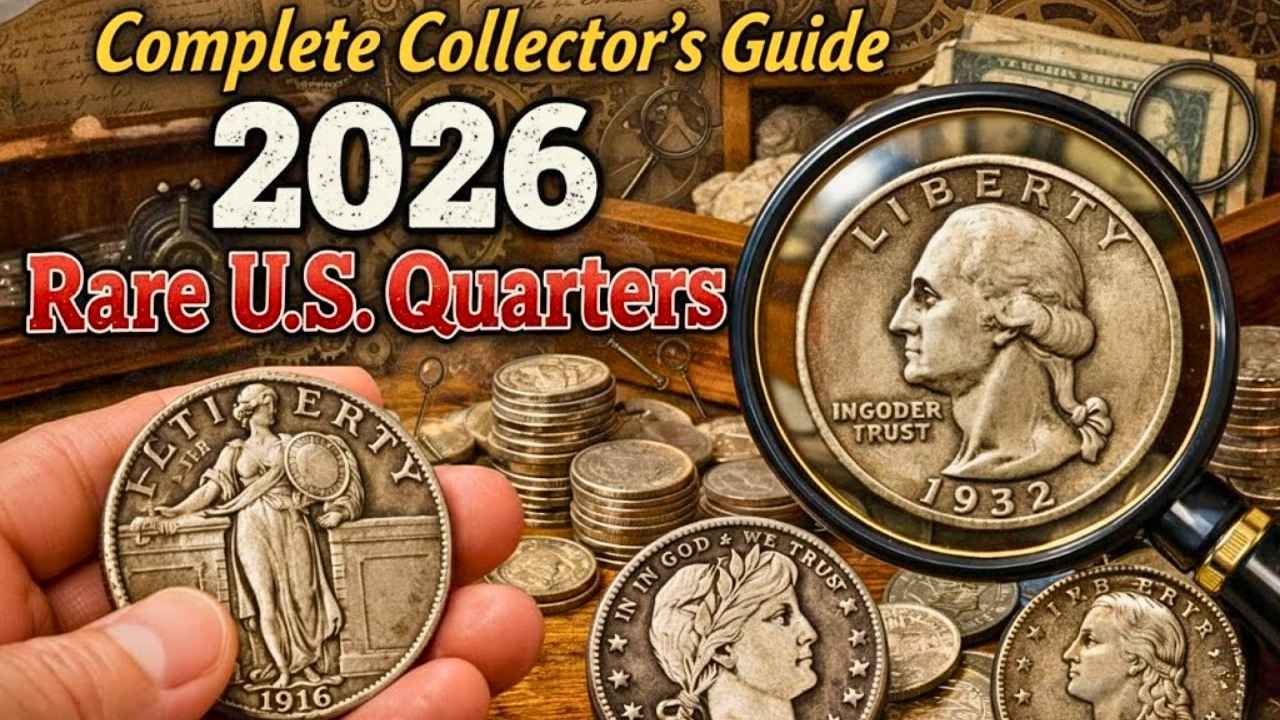
Quarters have been a cornerstone of American coinage since 1796, and over the centuries, certain issues have become rare treasures worth far more than their face value. For collectors, the thrill lies in discovering these elusive coins, each carrying a story of history, artistry, and scarcity. In 2026, rare U.S. quarters continue to capture attention, with some examples commanding thousands or even millions of dollars at auctions. This guide explores the history, designs, mintages, and collector insights that make rare quarters so valuable and worth hunting.
Early History of U.S. Quarters
The first U.S. quarters were struck in 1796, featuring a small mintage of just over 6,000 coins. These early issues are now among the rarest and most valuable quarters in existence. Over time, designs evolved to reflect changing artistic styles and national symbols. From Draped Bust and Capped Bust designs to the Seated Liberty and Barber quarters, each era introduced new imagery that reflected the spirit of its time. Collectors prize these coins not only for their rarity but also for their historical significance.
The Washington Quarter
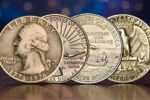
Introduced in 1932 to commemorate George Washington’s 200th birthday, the Washington Quarter became a permanent fixture in U.S. coinage. Designed by John Flanagan, it featured Washington’s portrait on the obverse and an eagle on the reverse. This design remained until 1999, when the 50 State Quarters Program began. The Washington Quarter has produced several rare and valuable issues, including the 1932-D and 1932-S quarters, which are considered key dates due to their low mintages.
Rare Quarters Worth Hunting
Collectors should be aware of several quarters that stand out for their rarity and value:
- 1796 Draped Bust Quarter: With its tiny mintage, this coin is a prized rarity.
- 1916 Standing Liberty Quarter: Known for its limited production and beautiful design.
- 1932-D and 1932-S Washington Quarters: Key dates with low mintages, highly sought after.
- 1970-S Proof Quarter: Some examples struck on Canadian planchets are extremely rare.
- State Quarters with Errors: Coins with double strikes, off-center designs, or wrong planchets can be worth hundreds or thousands of dollars.
These coins highlight the diversity of rare quarters that collectors continue to pursue.
Mintages and Rarity
Mintages play a crucial role in determining a coin’s rarity. Coins produced in small numbers are naturally harder to find, increasing their value. For example, the 1916 Standing Liberty Quarter had a mintage of just over 52,000, making it one of the rarest 20th-century quarters. Similarly, the 1932-D and 1932-S Washington Quarters had mintages under half a million, compared to the millions produced in other years. Understanding mintages helps collectors identify which coins are worth hunting.
Collector Insights
Collectors often look for specific features when evaluating quarters:
- Condition: Coins in mint state or proof condition are far more valuable than circulated examples.
- Errors: Quarters with minting errors can command high premiums.
- Key Dates: Certain years and mint marks are essential for completing collections.
- Proof Sets: Special proof editions, struck with higher detail, are prized by collectors.
By focusing on these aspects, collectors can maximize the value and appeal of their collections.
Value Guide for 2026
As of 2026, rare quarters continue to hold strong collector interest. Common circulation coins may only be worth their face value, but rare dates and high-grade examples can fetch significant sums. For instance, a 1932-D Washington Quarter in mint state can be worth thousands of dollars. Error coins and proof sets also attract attention, often selling for premiums above their original issue price. The market for rare quarters remains vibrant, driven by both historical significance and collector demand.
Tips for Collectors
For those interested in building a rare quarter collection, here are some practical tips:

- Learn to recognize key dates and mintages.
- Invest in a magnifying glass to examine details.
- Store coins in protective holders to prevent damage.
- Consider professional grading for high-value coins.
- Stay informed by reading numismatic publications and attending coin shows.
By following these practices, collectors can build meaningful and potentially valuable collections.
Investment Potential
Rare quarters are not only collectibles but also potential investments. Over time, coins with historical significance and rarity tend to appreciate in value. While coin collecting should be driven by passion, the financial aspect cannot be ignored. Investors often view rare quarters as tangible assets that diversify portfolios. However, it is important to approach coin investing with knowledge and caution, avoiding speculative purchases without proper research.
Key Highlights
- U.S. quarters have been minted since 1796, with many rare and valuable issues.
- The Washington Quarter introduced in 1932 remains a cornerstone of coin collecting.
- Rare quarters include the 1796 Draped Bust, 1916 Standing Liberty, and 1932-D and 1932-S Washington Quarters.
- Mintages, condition, and errors significantly influence value.
- Collectors should focus on key dates, proof sets, and proper storage.
- Rare quarters offer both historical significance and investment potential.
Final Words
Rare U.S. quarters are more than just pieces of currency; they are symbols of history, artistry, and national heritage. From the earliest Draped Bust designs to modern State Quarters with unique errors, these coins continue to inspire excitement among collectors. The thrill of discovering a rare quarter worth thousands or even millions of dollars is what makes coin collecting so rewarding. Whether you are a seasoned numismatist or a beginner, rare quarters offer a journey into America’s past and a chance to hold history in your hands. Their enduring appeal ensures that they will remain a cornerstone of coin collecting for generations to come.