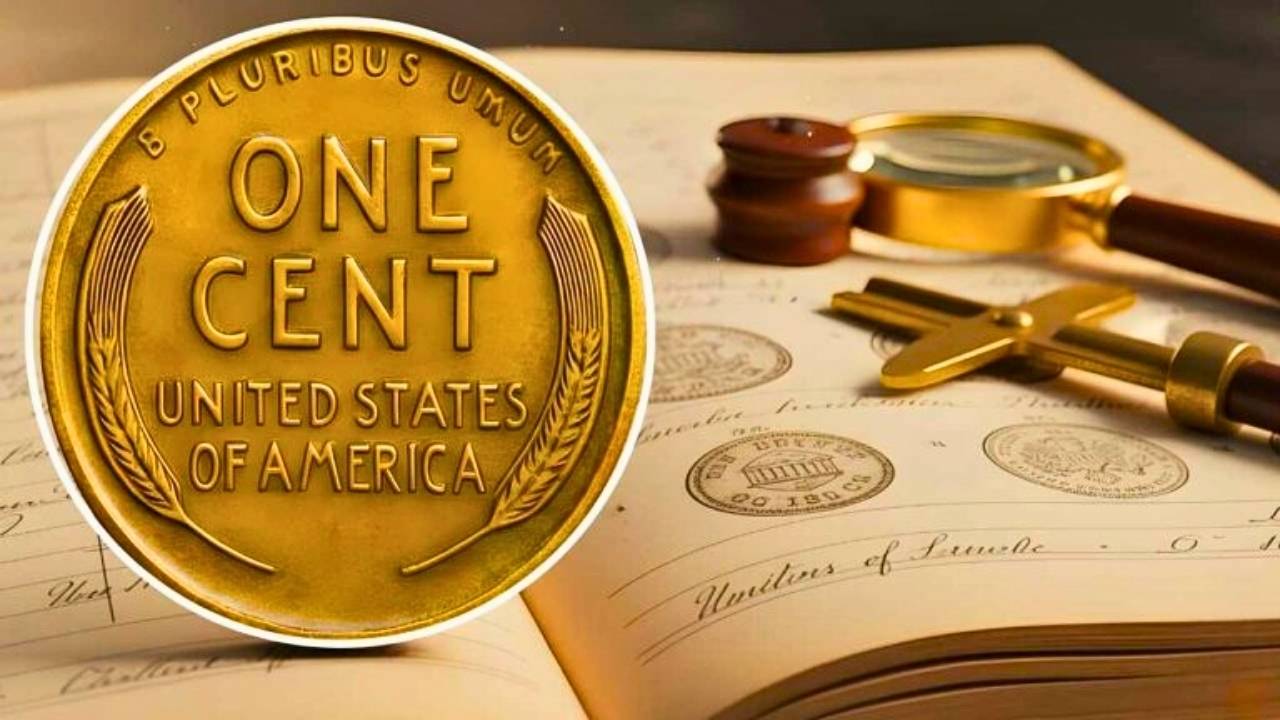
The Lincoln Wheat Penny, minted from 1909 to 1958, is one of the most beloved coins in American numismatics. Featuring Abraham Lincoln on the obverse and wheat stalks on the reverse, it was the first U.S. coin to depict a president. While most Wheat Pennies are common and worth only a few cents, certain rare varieties have become legendary among collectors. In 2026, one extraordinary Lincoln Wheat Penny has been valued at $586,000, making it one of the most valuable small‑denomination coins ever discovered. This guide explores the history, rarity, and how collectors can identify these treasures.
The History of the Lincoln Wheat Penny
The Lincoln Wheat Penny was introduced in 1909 to commemorate the centennial of Abraham Lincoln’s birth. Designed by Victor David Brenner, the coin replaced the Indian Head Cent and quickly became popular. The obverse features Lincoln’s portrait, while the reverse shows two wheat stalks framing the denomination. Struck in bronze, the coin remained in production until 1958, when it was replaced by the Lincoln Memorial design.

Why Wheat Pennies Are Valuable
Most Wheat Pennies are common, but certain varieties stand out due to rarity, condition, or minting errors. Coins struck in limited quantities, those with unusual features, or examples preserved in pristine condition can command impressive prices. Collectors are drawn to Wheat Pennies not only for their monetary value but also for their historical significance as symbols of Lincoln’s legacy.
The $586,000 Rarity
In 2026, a rare Lincoln Wheat Penny captured headlines for being valued at $586,000. This coin is believed to be a unique error or prototype, preserved in exceptional condition. Auction houses and collectors alike have marveled at its value, recognizing it as a once‑in‑a‑lifetime treasure. Such rarities highlight the importance of careful examination, as extraordinary value can sometimes be hidden in ordinary collections.
Key Varieties of Valuable Wheat Pennies
Several Wheat Pennies are especially valuable. The 1909‑S VDB, struck in San Francisco with designer Victor David Brenner’s initials, is one of the most famous rarities. The 1914‑D is another key date, with a low mintage and high demand. The 1922 No D, struck in Denver without a mint mark, is a rare error highly prized by collectors. Other varieties include doubled dies, off‑center strikes, and coins struck on wrong planchets. Each of these varieties adds to the fascination of collecting Wheat Pennies.
How to Identify Rare Wheat Pennies
Identifying rare Wheat Pennies requires careful examination. Collectors should look for unique features, such as unusual mint marks, doubled designs, or missing details. Magnification tools help reveal subtle differences, while reference guides provide information on varieties and values. Professional grading services can authenticate rare coins and ensure accurate valuation. The key is to recognize that extraordinary value often lies in small details.
Condition and Grading
Condition plays a crucial role in determining the value of Wheat Pennies. Coins are graded on a scale from Poor to Mint State, with higher grades commanding higher prices. Uncirculated examples with sharp details and original luster are especially valuable. Proof coins, struck with polished dies and mirror‑like surfaces, are also highly prized. Professional grading services provide authentication and ensure accurate valuation, giving collectors confidence in their purchases.
Market Value in 2026
In 2026, the market for Wheat Pennies remains strong. Common circulated examples may be worth only a few cents, but rare varieties and high‑grade coins can fetch impressive sums. Auction records show that collectors are willing to pay extraordinary amounts for coins like the 1909‑S VDB and the 1914‑D. The $586,000 rarity represents the pinnacle of value, proving that even small‑denomination coins can rival classic rarities in desirability.
Collecting Tips
For collectors, searching for Wheat Pennies can be both exciting and rewarding. Checking old collections, coin rolls, and estate sales may yield hidden treasures. Magnification tools help identify varieties and errors, while reference guides provide information on values. Proper storage in protective holders preserves condition and prevents damage. Networking with other collectors and attending coin shows can also provide opportunities to learn and acquire rare examples.
Investment Potential
Rare Wheat Pennies offer strong investment potential. Their historical significance, limited supply, and demand among collectors make them attractive assets. In 2026, investors continue to view rare coins as stable investments, with values likely to rise over time. Legendary coins like the $586,000 rarity remain highly desirable, ensuring long‑term appeal.
Key Highlights
- Lincoln Wheat Penny minted from 1909 to 1958 with design by Victor David Brenner
- Rare varieties include the 1909‑S VDB, 1914‑D, and 1922 No D
- The $586,000 rarity represents a unique error or prototype
- Condition and grading critical for determining value
- In 2026, rare Wheat Pennies continue to command high prices at auction
- Collectors actively search for hidden treasures in old collections
Final Words
The Lincoln Wheat Penny is more than just a coin; it is a piece of American history that continues to inspire collectors and investors. From the 1909‑S VDB to the legendary $586,000 rarity, these coins remind us of the artistry and heritage embedded in U.S. coinage. In 2026, rare Wheat Pennies remain highly sought after, with values reaching extraordinary levels. For anyone passionate about numismatics, Wheat Pennies offer a journey into history, rarity, and the thrill of discovering hidden fortune.