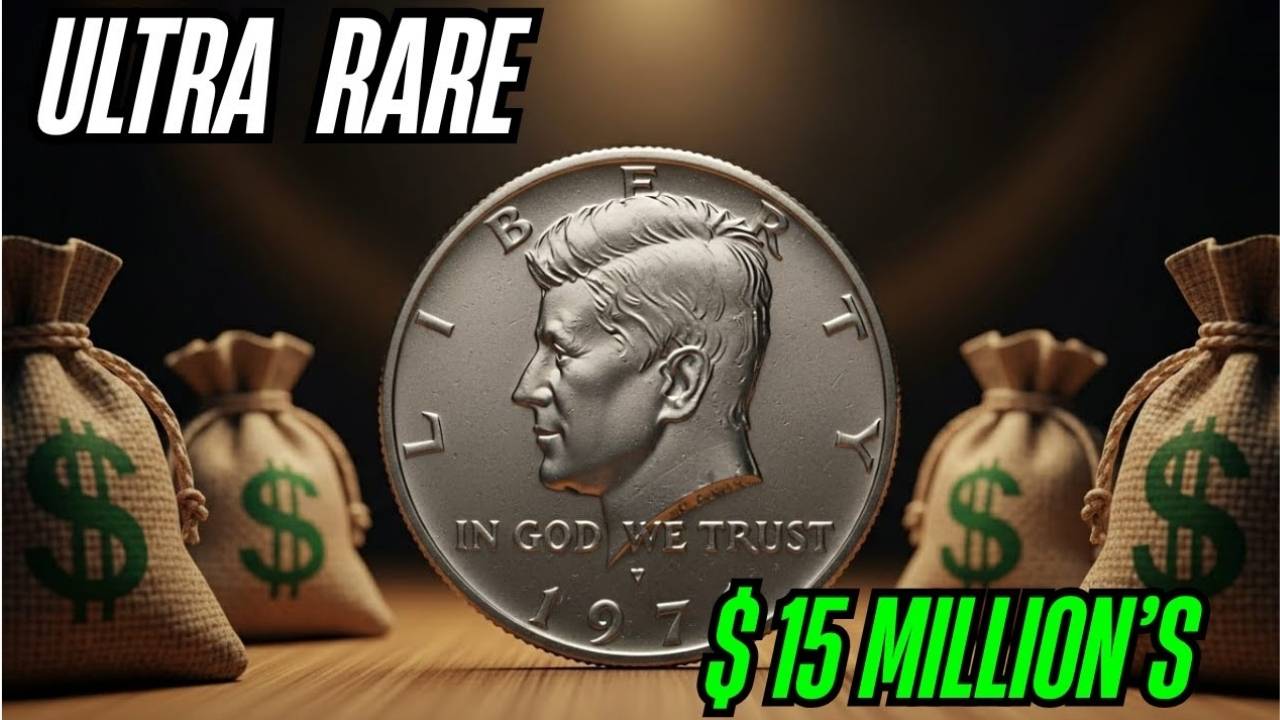
The 1974 Kennedy Half Dollar is a fascinating piece of American coinage history. Struck just a decade after the assassination of President John F. Kennedy, this coin carries both historical significance and collectible appeal. While millions were produced, certain varieties and high‑grade examples can be worth far more than their face value. For collectors and enthusiasts, the 1974 half dollar represents an opportunity to uncover hidden treasures in everyday currency.
Historical Background
The Kennedy Half Dollar was introduced in 1964 as a tribute to the late president. By 1974, the coin was being struck in copper‑nickel clad composition rather than silver, reflecting changes in U.S. coinage. Despite large mintages, the 1974 edition remains popular among collectors due to its design, historical context, and the potential for rare varieties.
Minting and Varieties
The 1974 half dollar was produced at three different mints:
- Philadelphia (no mint mark) with over 200 million coins
- Denver (D mint mark) with over 79 million coins
- San Francisco (S mint mark) for proof issues
This wide distribution means most coins are common, but certain varieties and errors make specific examples highly valuable.

Value Ranges
Most circulated 1974 half dollars are worth face value or slightly more. However, condition and rarity can dramatically increase value:
- Circulated coins: typically $0.50 to $2
- Uncirculated coins: $3 to $10 depending on grade
- High‑grade Mint State (MS66 and above): $200 to $300 or more
- Proof coins from San Francisco: $5 to $20 depending on condition
- Rare error coins: can reach hundreds or even thousands of dollars depending on uniqueness and demand
Error Coins Worth Collecting
Error coins are especially prized by collectors. Some notable 1974 half dollar errors include:
- Doubled die obverse varieties
- Off‑center strikes
- Clipped planchets
- Coins struck on wrong planchets
These errors are rare and can significantly increase a coin’s value, sometimes making them worth hundreds of dollars.
Why Condition Matters
The concept of “conditional rarity” applies strongly to the 1974 half dollar. While millions exist, very few survive in pristine condition. Coins graded MS67 or higher are extremely scarce and can command four‑figure prices at auction. Collectors should pay close attention to luster, strike quality, and absence of wear when evaluating these coins.
Collecting Tips
- Always check mint marks carefully, especially for proof issues.
- Inspect coins for doubling, off‑center strikes, or other errors.
- Store coins in protective holders to prevent damage.
- Consider professional grading for coins that appear uncirculated.
- Research auction records to understand current market trends.
Key Highlights
- The 1974 Kennedy Half Dollar was minted in Philadelphia, Denver, and San Francisco.
- Most circulated coins are worth face value, but uncirculated and proof issues carry premiums.
- High‑grade examples can reach hundreds of dollars, with rare errors worth even more.
- Conditional rarity makes MS67 and higher coins especially valuable.
- Collectors prize error coins such as doubled dies and off‑center strikes.
Final Words
The 1974 Kennedy Half Dollar may seem ordinary at first glance, but it holds hidden potential for collectors. While most examples are common, rare varieties and high‑grade specimens can be worth significant amounts of money. Whether you are a seasoned numismatist or a beginner searching through pocket change, understanding the value and varieties of the 1974 half dollar can turn an everyday coin into a remarkable discovery. For some, this coin could indeed be a small piece of history that makes them rich.