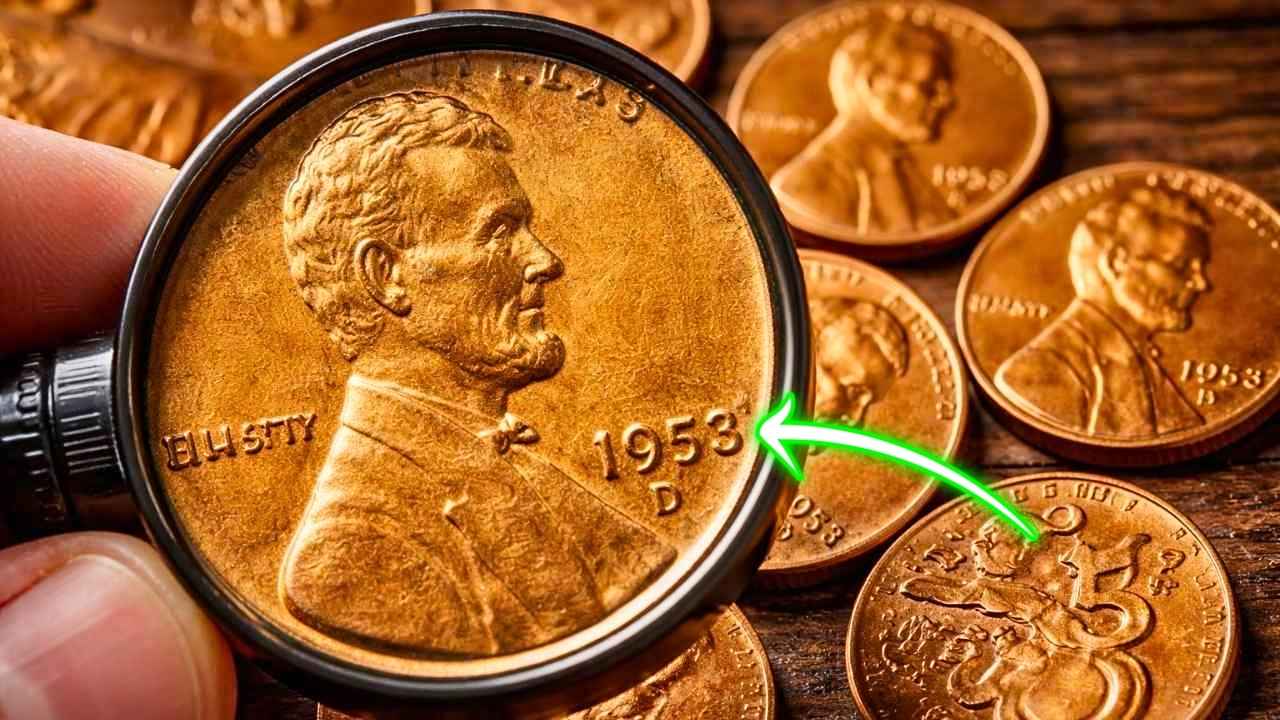
The Lincoln Wheat Penny, minted from 1909 to 1958, remains one of the most beloved coins among collectors. Its design, featuring Abraham Lincoln on the obverse and wheat stalks on the reverse, symbolizes both history and tradition. While most Wheat Pennies are worth only a few cents, certain rare dates and error varieties can be worth thousands. The 1953 Lincoln Wheat Penny is one such coin, with hidden fortunes waiting to be discovered in collections and even pocket change.
History of the 1953 Lincoln Wheat Penny
The 1953 Wheat Penny was struck at three mints: Philadelphia (no mint mark), Denver (D), and San Francisco (S). Millions were produced, making it a common coin in circulation. However, minting errors and rare varieties from this year have elevated its status among collectors.
Why the 1953 Wheat Penny Is Valuable
Several factors contribute to the value of 1953 Wheat Pennies:
- Minting errors such as doubled dies and off‑center strikes
- Scarcity of certain mint mark varieties in high grades
- Collector demand for unique error coins
- Condition, with uncirculated examples commanding premiums
Rare Error Varieties of the 1953 Wheat Penny
Doubled Die Obverse
Some 1953 pennies show doubling on the date and lettering. These coins are rare and can be worth hundreds to thousands depending on grade.
Off‑Center Strikes
Coins struck off‑center are highly collectible. The more dramatic the error, the higher the value, with some examples selling for hundreds.
Repunched Mint Marks
Both Denver and San Francisco issues produced coins with repunched mint marks. These varieties are popular among collectors and can be worth $50 to $200.
BIE Error
This error occurs when a die crack forms between the letters “B” and “E” in LIBERTY, creating what looks like an extra letter “I.” These coins are collectible and can sell for $20 to $100 depending on condition.
Wrong Planchet Errors
Rarely, a 1953 penny may have been struck on the wrong planchet, such as a dime blank. These coins are extremely rare and can be worth thousands.

Value Ranges
- Common circulated 1953 pennies: $0.05 to $0.25
- Uncirculated Philadelphia issues: $5 to $20
- 1953‑D and 1953‑S in high grades: $10 to $50
- Doubled die and repunched mint mark varieties: $50 to $500+
- Major errors such as wrong planchet strikes: $1,000 to $5,000+
How to Identify Valuable 1953 Pennies
Collectors should look closely at:
- The date and lettering for signs of doubling
- Mint marks for repunching or unusual features
- Strike quality, as weak strikes can indicate errors
- Off‑center designs or unusual planchet sizes
Collecting Tips
- Use magnification to examine coins for doubling and mint mark varieties.
- Store coins in protective holders to preserve condition.
- Consider professional grading for rare or high‑grade coins.
- Research auction records to stay updated on current market values.
- Focus on error varieties for the best investment potential.
Key Highlights
- The 1953 Lincoln Wheat Penny was minted in Philadelphia, Denver, and San Francisco.
- Rare errors include doubled dies, off‑center strikes, and repunched mint marks.
- Even common examples can be worth more than face value in high grades.
- Major errors like wrong planchet strikes can be worth thousands.
- Collectors should carefully examine coins for hidden fortunes.
Final Words
The 1953 Lincoln Wheat Penny may seem ordinary at first glance, but hidden errors and rare varieties make it a coin worth searching for. From doubled dies to wrong planchet strikes, these pennies can transform pocket change into treasures worth thousands. For collectors, the thrill lies in discovery, and the 1953 Wheat Penny continues to prove that even the smallest coin can hold extraordinary value.